
What Are Liquid Extracts?
Liquid extracts are concentrated forms of plants that have been processed to extract the active compounds believed to be responsible for their potential health effects. Fresh or dried herbs contain a small amount of active compounds, but Bio-Botanica's liquid extracts condense these compounds into a more potent form. This allows consumers to get a more concentrated dose of the beneficial components found in the plant compared to using the whole plant.
Different Types of Liquid Herb Preparations
There are different types of liquid herb preparations, each created using a different method and each with its own characteristics.
- Tea or Tisane: A simple liquid herb preparation where the herb is soaked in water, usually hot, and then taken orally as a liquid.
- Tinctures: A popular form of liquid herb because they are made simply by soaking the herbs in alcohol. Tinctures provide a less concentrated final product compared to fluid extracts.
- Herbal Fluid Extract: Extracts are more concentrated than tinctures, and offer 1000 mg of concentrated dry herb equivalent in 1 mL. Preparing extracts requires additional expertise, testing and equipment beyond what is needed to create tinctures.
- Glycerites: Glycerin is used as the menstruum, or soaking agent, instead of alcohol. This makes glycerites a popular choice for individuals who are sensitive to alcohol or prefer to avoid alcohol-based extracts. Glycerin is a milder solvent, and while it works well for extracting certain plants, it is not effective for all herbs. Some plants may not release their active constituents efficiently in glycerin, which can result in a less potent or ineffective preparation. The suitability of glycerin as a solvent therefore depends on the specific plant being extracted and its chemical composition.
- Powdered Extracts: Another form of concentrated extract, used to prepare a capsule or tablet. Capsules and tablets may be preferable to avoid the strong flavor of some herbs, and they are easier to take along for daytime use.
How Are Liquid Extracts Made?
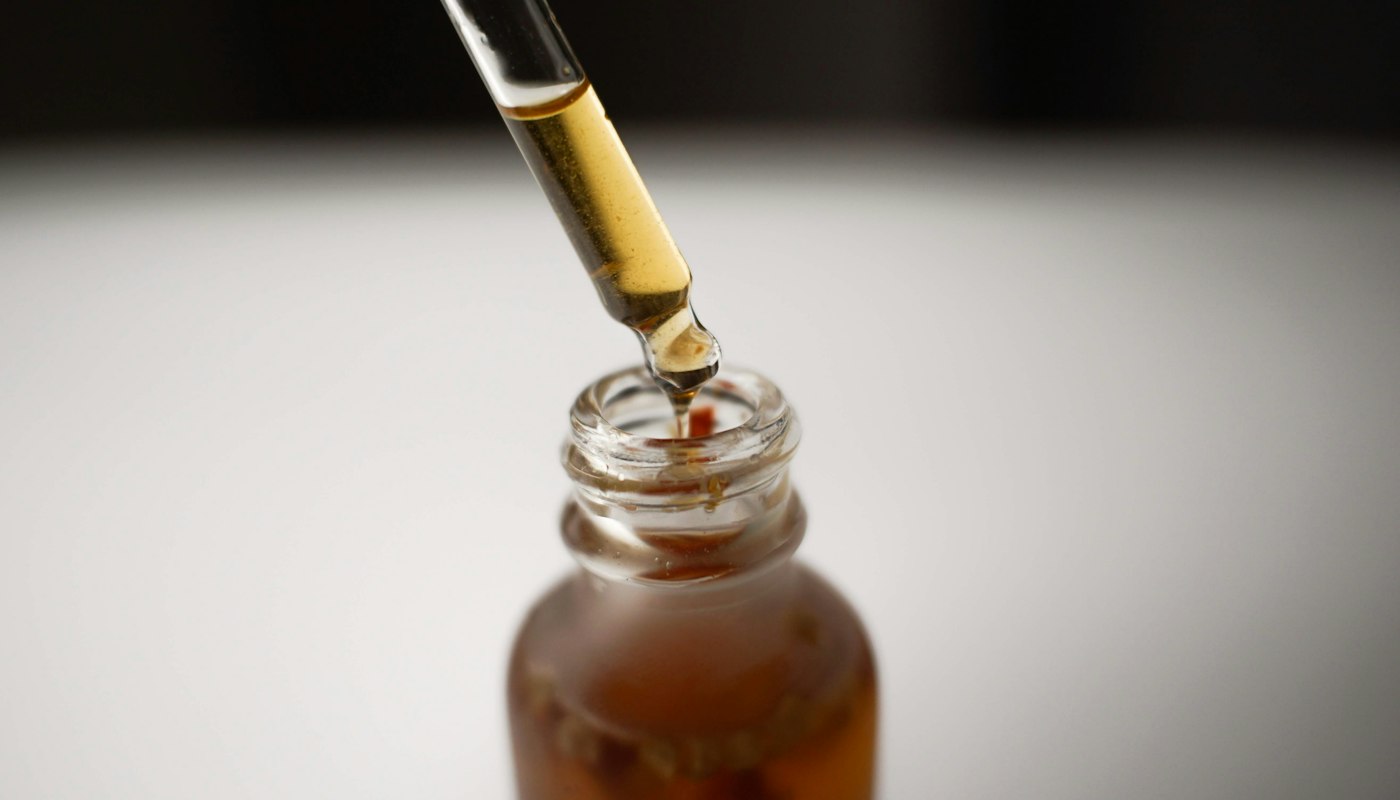
To make a liquid extract, the plant material, whether roots, leaves, flowers or bark, is typically soaked in a solvent such as alcohol or water to extract the active ingredients from the plant. The extraction process includes the following steps.
Selection of Plant Material
The first step is choosing the appropriate part of the plant, whether roots, leaves, flowers or bark. Each part of the plant contains different compounds intended to deliver specific benefits, so the selection depends on what benefits the liquid extract is intended to provide. There are two primary types of plant origin that can be sourced to make liquid extracts: wildcrafted and cultivated (farmed). While both can be beneficial and valuable, they differ in how they are grown and harvested, in potency and in sustainability.
Wildcrafted plants are harvested from their natural habitat. These plants grow in the wild, often in forests, meadows or fields, and are typically foraged or gathered by hand from their native habitats. Farmed plants are cultivated in a controlled agricultural setting.
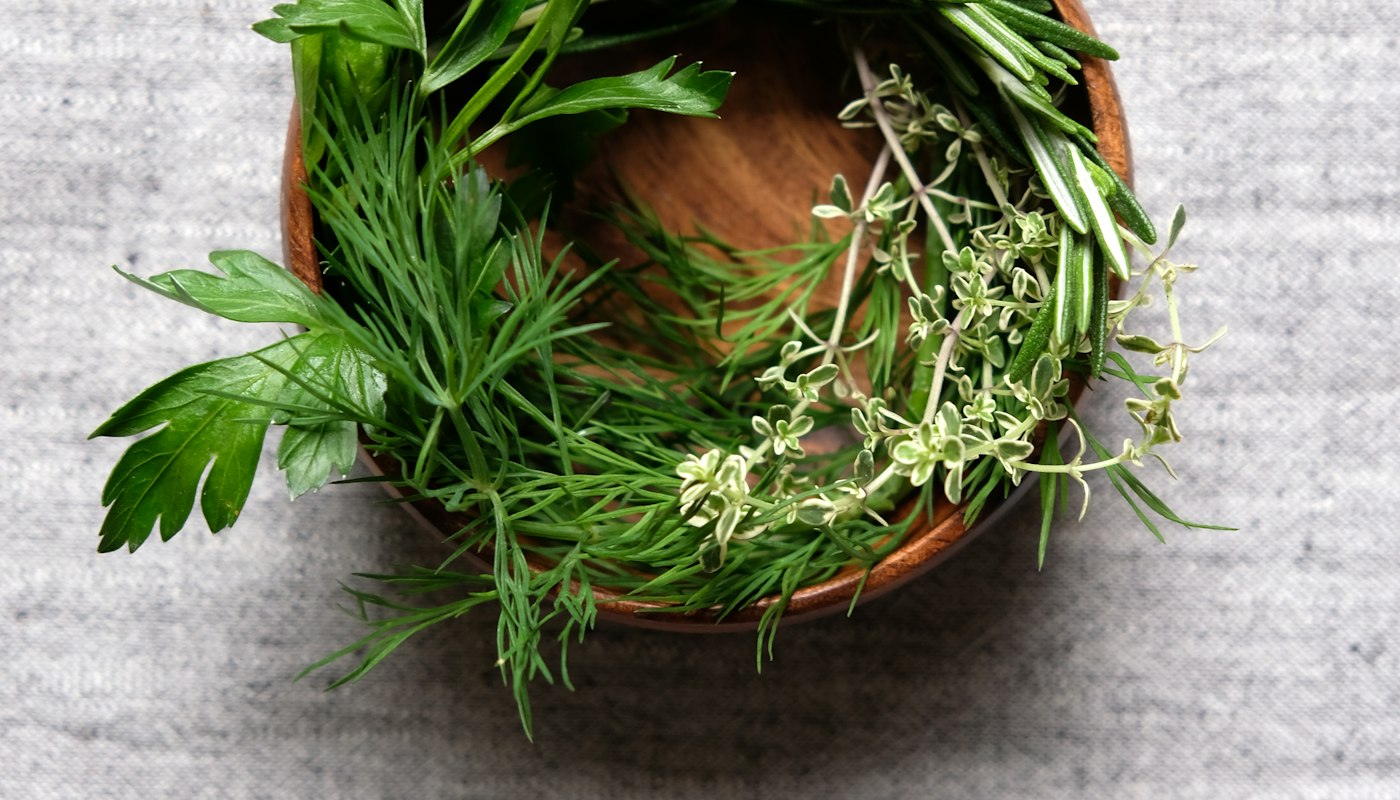
Bio-Botanica uses a variety of herbs, including wildcrafted herbs, cultivated herbs and certified organic herbs. We always start with the whole herb, which is then ground by a technique called milling to increase its surface area. This step enhances the plant's ability to release its active compounds by increasing the surface area exposed to the extractants. The ground herb is then soaked in a carefully selected solvent, typically a combination of alcohol and water, to extract the beneficial constituents. After soaking, Bio-Botanica employs an exclusive cold extraction process to distill the mixture, effectively removing the alcohol and leaving behind a thick, concentrated, alcohol-free herbal extract.
Extraction Process
Bio-Botanica extracts the goodness from every herb using our proprietary Bio-Chelated® technology, a unique, herb-friendly cold extraction method that gently extracts and concentrates the raw plant material without the use of heat. This process helps preserve the plant's natural compounds, maintaining its holistic balance. The alcohol is then removed using our proprietary cold vacuum process, which produces a thick, highly concentrated herbal extract.
Finished Herbal Extracts
Next, glycerin is added to the concentrated extract to create a holistic, alcohol-free solution. We also produce low organic alcohol extracts (12-15%) by adding organic alcohol, along with glycerin, to the concentrated extract. The finished product is a true 1:1 extract, meaning that each 1 mL of the final product offers the equivalent of 1000 mg of the original herb. This process preserves the full spectrum of the plant's active compounds while ensuring a potent and balanced extract.
Bio-Botanica's Bio-Chelated® Process
The Bio-Chelated® Process is a unique, proprietary process created by and used exclusively by Bio-Botanica to prepare concentrated liquid herbal extracts. It is a cold extraction technique that is herb friendly.
The process begins with the raw plant parts, which are extracted without the use of heat. By using cold extraction, we maintain the whole plant's natural constituents, allowing the herb to keep its holistic balance. Starting with the whole plant material and finishing with a true 1:1 extract, Bio-Botanica delivers a super-concentrated 1000 mg dried herb equivalent per 1 mL serving.
Liquid extracts can be prepared as a holistically balanced extract, which maintains the ratio of active constituents naturally found in the plant, or standardized to contain a specific amount of a specified active compound.
What Are the Benefits of Using Liquid Extracts?
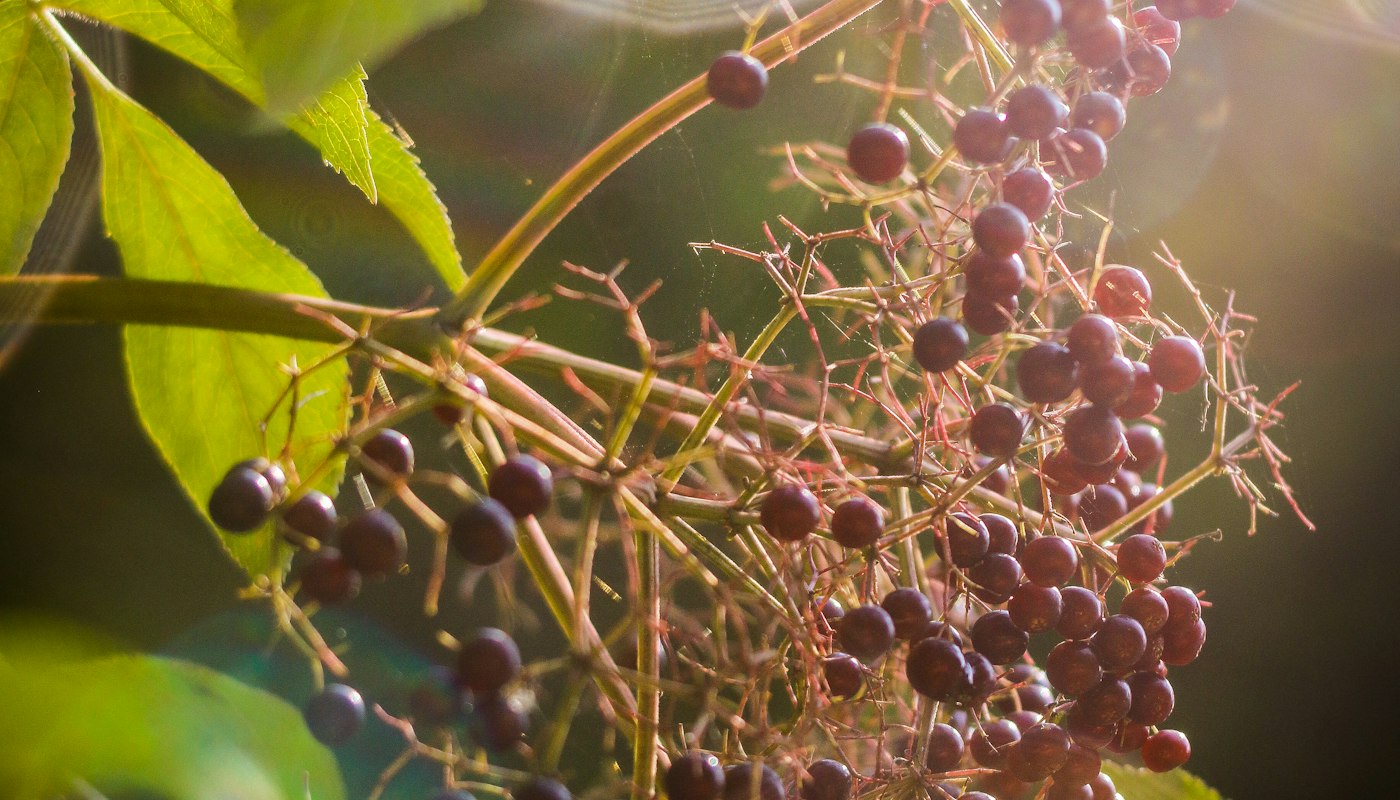
Liquid extracts have been highly valued and used for centuries to support health and wellness. They are commonly used for immune support, to promote healthy sleep and digestion, and to offset the effects of stress. Liquid extracts such as elderberry, echinacea and valerian root provide targeted support through specific compounds. The benefits they provide vary significantly depending on the herb and the form of extraction.
Safety Considerations
Are there any possible adverse effects from taking herbal extracts, tinctures or glycerites? While generally safe, some individuals may experience sensitivity reactions or digestive discomfort. It is advisable to consult with a healthcare professional before starting any new herbal regimen.
Can different herbal extracts be combined for enhanced benefits? Combining herbal extracts can be beneficial, but it is crucial to understand how different herbs interact, and how herbs may interact with any medication you may be taking. Consulting with a knowledgeable herbalist or healthcare provider ensures safe and effective combinations.
About the Author
Ellen Kamhi, The Natural Nurse®, is an author, educator and herbal practitioner. Connect with Ellen on LinkedIn.